Small Memory Care Homes Charlotte for Seniors
Premium Cognitive Care Services: Why They Are Important for Families
Quality memory care services serve as an critical element for families dealing with the intricacies of dementia. These services provide tailored care that addresses both the demands of residents and their caregivers. By fostering protection, comfort, and emotional connections, quality care tends to reduce sense of loneliness. However, not all dementia care providers are equivalent. Understanding what to identify can significantly influence the well-being of those affected. What crucial characteristics should relatives emphasize?
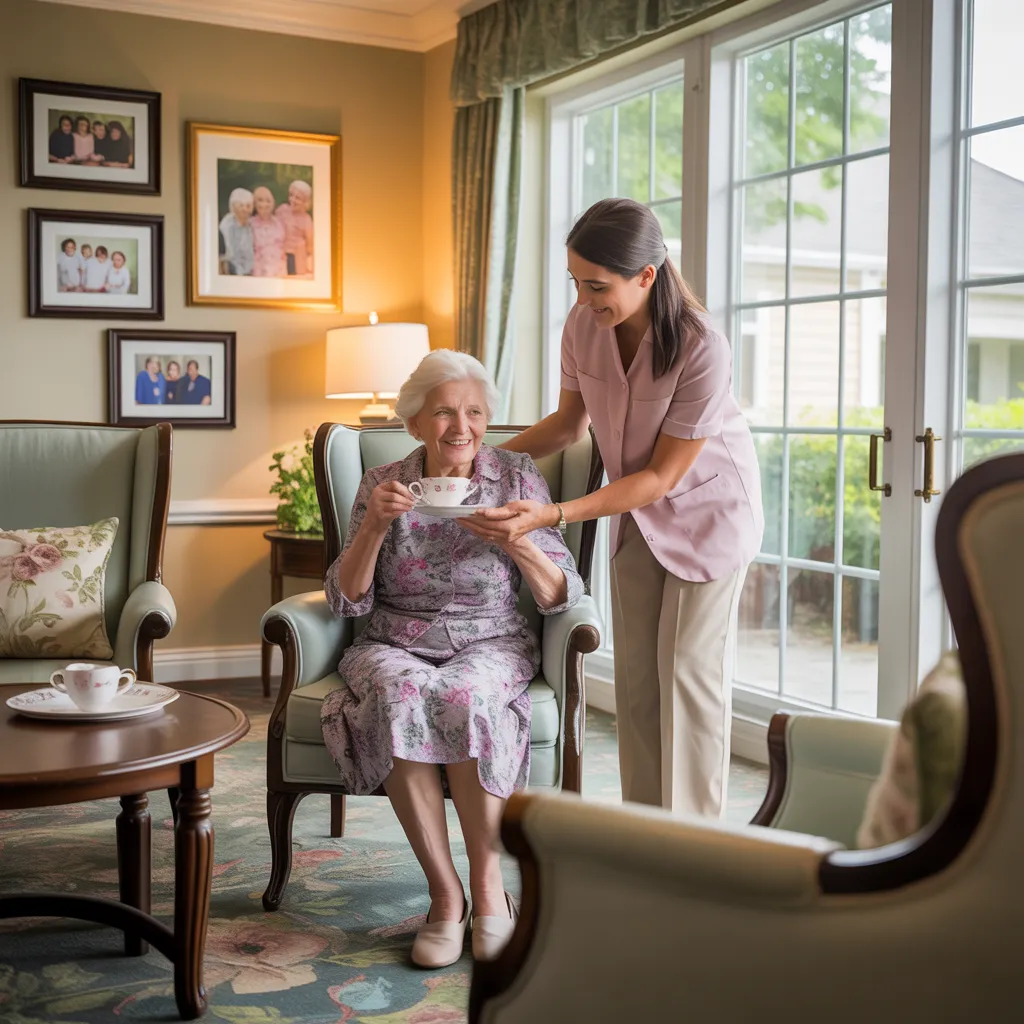
Dementia: Issues and Interventions
Dementia presents a complicated range of difficulties for individuals, families, and caregivers alike. The cognitive decline linked to dementia impacts memory, reasoning, and daily functioning, making difficult routine tasks and increasing reliance on others. Families often struggle with the psychological burden of witnessing their loved ones' deterioration, leading to feelings of helplessness and frustration. Caregivers encounter the burden of managing physical care while navigating the unpredictable behaviors associated with the condition.
To handle these challenges, quality memory care services offer organized settings designed to enhance the standard of living for people suffering from dementia. Such programs generally include specialized training for staff, customized engagement activities, and treatment approaches intended at preserving cognitive function. Additionally, these facilities provide relief for families, allowing them to recharge while guaranteeing their family members receive appropriate care. Ultimately, effective solutions can considerably reduce the challenges associated with dementia, fostering a caring environment for all participating.
Emotional Assistance for Families
Caring for a loved one dealing with cognitive decline can place significant emotional strain on families. The burden of daily caregiving responsibilities frequently causes feelings of isolation, anxiety, and grief. People in the family may struggle with the gradual loss of their loved one's personality, evoking a deep feeling of melancholy. This emotional burden can affect not only the main caretaker but also siblings and extended family, causing strained relationships and increased tension.
Securing psychological care is important for families confronting these hurdles. Community gatherings, professional guidance, and neighborhood support can deliver an channel for sharing perspectives and developing stress management skills. Partnering with others who understand similar difficulties promotes a community connection and alleviates feelings of isolation. At the end of the day, emphasizing mental wellness is critical for families, as it allows them to offer empathetic care while also maintaining their own mental health.
Why Specialized Cognitive Support Matters
Specialized memory care plays an indispensable role in improving the wellbeing for residents facing cognitive decline. These programs are designed to meet the unique needs of individuals with conditions such as Alzheimer's or other forms of dementia. Trained staff members understand the complexities of cognitive impairments and implement tailored approaches that promote engagement and ease.
In a specialized environment, residents benefit from regulated routines that assist in reducing apprehension and mental fog. Activities are purposefully developed to activate cognitive function and foster social interaction, fostering a sense of community. In addition, the focus on safety and security makes sure that individuals can inspect their surroundings without avoidable risks.
Families frequently feel assured knowing their cherished family members are receiving dedicated care in a supportive atmosphere. Overall, specialized memory care not only addresses physical needs but also nurtures emotional well-being, making it a crucial component of care for those experiencing cognitive decline.
Essential Characteristics to Evaluate in Dementia Care Centers
When considering memory care facilities, what key features should families prioritize? First and foremost, security standards are vital. Facilities should provide secure environments that prevent wandering, with features like secured yard areas and supervised entrances. Moreover, staff-to-resident ratios are critical; superior ratios often indicate more tailored attention and attention.
Next, relatives should consider the credentials and experience of care providers. Staff should be trained in dementia care, making certain they comprehend the special requirements of patients. Programs and recreational activities created to enhance mental abilities and interpersonal engagement also play a key role, as they enhance overall well-being.
In addition, relatives should consider the facility's cleanliness and general feel. A pleasant environment can greatly enhance residents' comfort and satisfaction. Finally, clarity regarding costs and services is essential, allowing relatives to make informed decisions. By focusing on these core elements, loved ones can opt for the best memory care facility for their family members.
Why Quality Memory Care Promotes Personal worth and Comfort
Top-tier senior care initiatives underscore respect and comfort through bespoke approaches that cater to individual needs. Individualized care plans, paired with compassionate team interactions, develop a caring climate for residents. Further, protected and stimulating atmospheres cultivate a sense of community and vitality, strengthening the overall quality of life.
Customized Health Care Approaches
Personalized care plans play a vital role in enhancing the dignity and comfort of individuals in memory care facilities. These tailored approaches address each resident's unique history, preferences, and cognitive abilities, making sure care is not only effective but also compassionate. By involving families in the development process, facilities promote a united environment that values the individual’s needs and wishes. This customization improves the sense of identity and autonomy, letting residents engage in activities that reflect their past experiences. Additionally, personalized care plans can evolve over time, meeting changing needs and preferences. Such attention to individuality greatly enhances quality of life, encouraging emotional well-being and a sense of belonging within the care community.
Compassionate Staff Interaction
Effective memory care relies not just on personalized care plans but also on the compassionate interactions between staff and residents. These interactions build an atmosphere of trust, critical for those facing memory loss challenges. Compassionate staff members approach each resident with compassion, valuing their unique histories and emotional needs. By holding meaningful conversations and showing patience, these caregivers enhance the dignity of each individual, making sure they feel respected and understood. This method not only alleviates anxiety but also promotes a sense of belonging, crucial for emotional well-being. Ultimately, quality memory care thrives when staff prioritize compassionate engagement, elevating care from a routine task into a supportive experience that prioritizes comfort and respect.
Safe, Interactive Spaces
Establishing a secure and engaging environment is fundamental for enhancing dignity and comfort in memory care settings. High-quality memory care facilities ensure secure surroundings, limiting risks related to wandering or accidents. Thoughtfully created spaces support independence, enabling residents to navigate freely while feeling protected. Activities that are interesting and customized to individual interests support cognitive function and nurture social connections among residents. These environments support participation, reducing feelings of isolation and enhancing overall well-being. In addition, the atmosphere should showcase warmth and familiarity, incorporating personal touches that relate to each resident’s history. By combining safety with engagement, memory care services not only respect the dignity of individuals but also form a comforting haven where they can thrive amidst their challenges.
Why Community Engagement Matters for Alzheimer's Care
Community backing plays an key role in enhancing memory care solutions by encouraging deep bonds and bonding among persons. Access to resources within the community can markedly enhance the excellence of care, offering important implements and information. Additionally, amplified social interaction occasions contribute to the overall well-being of those affected by memory challenges.
Feelings-Based Attachment and Bonding
Emotional links serve as a pillar in memory care, creating an space where individuals are valued and understood. In memory care settings, community support builds meaningful relationships among residents, caregivers, and families. These bonds not only improve emotional well-being but also enhance a sense of belonging. When caregivers engage empathetically with residents, they provide a safe space for sharing feelings and experiences, which can diminish feelings of isolation. Additionally, group activities and social interactions promote residents to connect with one another, bolstering their sense of identity and purpose. This emotional foundation has a profound impact on the overall quality of care, as individuals flourish when they feel connected, ultimately leading to better cognitive function and an improved quality of life.
Gaining Access to Resources
Having access to support plays a key role in advancing memory care services, building upon the strong emotional connections developed among residents and caregivers. Community support provides essential tools and information that aid families in making wise decisions about care options. Local organizations frequently host educational workshops, respite services, and support groups, which can reduce the burden on caregivers and enhance their understanding of dementia-related challenges. Access to experienced professionals, such as social workers and therapists, also enhances the care experience. Furthermore, collaboration with nearby healthcare facilities assures that residents receive thorough and coordinated care. Overall, a strong network of community resources builds a nurturing environment that greatly boosts the quality of life for individuals with memory impairments and their families.
Boosted Social Involvement
How can enhanced social engagement improve the wellbeing of individuals with cognitive challenges? Participating socially within a caring environment provides emotional and cognitive benefits that are vital for those dealing with memory difficulties. Involvement in communal activities builds relationships, reducing feelings of isolation and loneliness. These interactions stimulate mental performance, preserving existing abilities and possibly reducing the rate of mental deterioration. Additionally, social backing encourages a feeling of acceptance, which can greatly improve mood and general health. Care communities that emphasize community interaction create environments where people can develop deep connections, enhancing standard of living. This community-focused method not only benefits residents but also gives families with peace of mind, understanding their family members are flourishing in a nurturing atmosphere.
Long-Term Positive Outcomes of High-Quality Memory Care
While many families may initially seek memory care services primarily for pressing needs, the long-term benefits of quality memory care extend far beyond short-term relief. These services not only provide essential daily help but also build a structured environment that encourages cognitive engagement and emotional well-being. Through specialized programs and therapeutic interventions, residents can experience improvements in memory retention and overall mental health.
In addition, dependable memory care advances a sense of community, curtailing feelings of isolation and anxiety often attributed to memory disorders. This supportive atmosphere benefits families by easing worry and granting assurance, knowing their loved ones are in trustworthy care. Moreover, skilled staff members can furnish ongoing guidance, helping families navigate the complexities of dementia care. Ultimately, investing in quality memory support solutions yields significant returns, strengthening the quality of life for both individuals with memory impairments and their families over the long term.
Frequently Posed Questions
What Are the Ways to Spot Early Indicators of Memory Difficulties?
Early indicators of memory concerns can encompass regular forgetfulness, difficulty following conversations, losing track of possessions, having trouble remembering what just happened, and changes in mood or behavior. Observing these warning signs may warrant a medical assessment for further assessment.
What Are the Expenses Related to Memory Care Programs?
Costs linked to memory care services differ significantly, typically ranging from $3,000 to $7,000 monthly. Factors influencing pricing include location, facility amenities, and the level of personalized care needed by each individual.
What Considerations Should I Consider When Choosing a Memory Care Community?
Identifying the best memory care facility demands copyrightining options, checking out sites, reviewing staff credentials, inspecting protective measures, assessing available programs, and considering what families express, ensuring the facility satisfies the individual's exact requirements and expectations.
What Function Do Caregivers Play in Memory Care?
Caregivers offer vital assistance in memory care by delivering emotional connection, helping with daily activities, and implementing customized care strategies. Their expertise and compassion greatly enhance the standard of living for individuals with memory impairments.
Can Memory Care Services Adjust to Different Stages of Dementia?
Memory care programs can successfully address different stages of dementia by tailoring support and therapies to individual needs. This adaptability guarantees residents get suitable support, improving their quality of life throughout the course of dementia.
|Memory Care Programs: Specialized Assistance for Alzheimer's and Dementia
Memory care initiatives play a vital role in supporting individuals with Alzheimer's and dementia. These focused services focus on improving quality of life through personalized care plans and trained staff. They establish safe environments that promote cognitive engagement and social interaction. Understanding the essential features of these services can help families manage the complexities of care. What specific elements contribute to their effectiveness, and how can families best engage in this journey?
Exploring Memory Care Services and the Ways They Can Benefit Families?
What exactly are memory care services, and how can they assist families dealing with the challenges of cognitive decline? Memory care services are specialized programs designed to assist people with Alzheimer's disease, dementia, and other mental health conditions. These services provide a structured environment customized to meet the specific requirements of residents, fostering safety, engagement, and respect.
Families commonly encounter emotional and practical challenges when looking after family members dealing with cognitive decline. Memory care facilities offer support through qualified professionals who understand the intricacies of these disorders. This encompasses creating individualized care strategies, overseeing proper medication administration, and promoting meaningful social engagement.
The setting in dementia care settings is specifically designed to minimize disorientation and encourage autonomy, enabling residents to participate in purposeful pursuits. By providing relief for caregivers, dementia care programs enable loved ones to focus on their well-being while being assured their family members are in a secure, caring setting.
Crucial Qualities of Successful Memory Care Services
Successful memory care programs integrate several essential features that enhance the quality of life for residents. First, individualized care plans are essential, as they resolve each resident's unique needs, preferences, and challenges. These plans are regularly updated to reflect any modifications in wellness. Additionally, trained staff members offer targeted care, ensuring that caregivers grasp the complexities of Alzheimer's and dementia.
Moreover, participating in initiatives intended to improve cognitive function and advance social connection hold great significance. Programs usually provide memory exercises, craft activities, and musical treatment, building a communal feeling for participants. Safe and secure settings are equally essential, enabling participants to move about with confidence while minimizing the potential for accidents.
Ultimately, family involvement is fostered, creating a supportive network that enables residents to feel part of a group. Together, these features contribute to a complete framework that focuses on personal respect, physical comfort, and quality of life.
How Can Memory Care Facilities Advance Well-being and Comfort?
Memory care environments are designed with many safety features that markedly improve residents' ease and well-being. These facilities commonly incorporate protected floor plans that lessen confusion and wandering, ensuring that residents can navigate without the risk of getting disoriented. Non-skid surfaces, grab bars, and brightly lit common areas further contribute to a secure atmosphere.
Moreover, memory care facilities frequently utilize calming colors and familiar decor to foster a serene environment. This intentional design minimizes worry and fosters a sense of belonging. Outdoor spaces are equally important, enabling residents to experience the outdoors, which has been shown to improve mood and overall health.
Emergency assistance frameworks and staff trained in safety protocols confirm that help is promptly accessible when needed. By emphasizing these elements, memory care environments prioritize the safety and comfort of residents, allowing them to thrive in a nurturing environment tailored to their unique needs.
The Way Experienced Staff Produce a Improvement in Memory Care
While the physical space functions as an essential role in memory care, the skill set and compassion of dedicated workers are equally important to advancing residents' quality of life. Trained professionals recognize the complexities of Alzheimer's and dementia, implementing customized strategies to communicate effectively with residents. Their competence to spot distinct preferences allows for individualized treatment, cultivating a sense of security and trust.
Furthermore, staff members are equipped to address challenging behaviors, using empathy and patience to prevent potential crises. They create stimulating programs adapted to individual resident interests, promoting cognitive development and peer interaction. Continuous training maintains that personnel stay informed on contemporary best practices and innovative approaches in memory care.
This awareness not only enhances the mental health of residents but also supplies relatives with confidence in the assistance their close relations obtain. Finally, the commitment and expertise of trained staff make a notable impression on the general experience of people dealing with memory disorders.
Involving Families in Memory Care: Best Practices
Integrating relatives into cognitive assistance is imperative for advancing the overall health of people affected by memory challenges. Robust communication strategies and structured engagement programs can strengthen these ties, creating a supportive atmosphere. By prioritizing family engagement, care providers can more suitably address the distinct needs of all individuals.
Effective Communication Approaches
Effective communication strategies play a crucial role in enhancing the quality of care for people with cognitive difficulties. Plain, straightforward speech is essential; care providers and loved ones should communicate at a measured pace and use known vocabulary to prevent misunderstanding. Body language signals, such as gestures and facial expressions, can greatly aid comprehension and promote emotional connections. Active listening is vital; caregivers should give their full attention, acknowledging emotions and responding thoughtfully. Additionally, maintaining a calm and patient demeanor helps create a nurturing atmosphere. Consistency in routines and communication techniques also assists people with memory issues, as it reinforces familiarity. Overall, these approaches not only improve exchanges but also deepen connections, ensuring that people feel valued and understood throughout their treatment experience.
Family Engagement Initiatives
The involvement of family is essential in memory care, as it significantly enhances the well-being of individuals facing cognitive challenges. Encouraging family members to join in activities fosters emotional connections and creates a supportive environment. Best practices involve organizing regular family visits that allow meaningful interactions, such as sharing stories or taking part in therapeutic games. Additionally, family members may be included in care planning, ensuring their loved ones’ histories and preferences are respected. Educational workshops also help families with knowledge about Alzheimer’s and dementia, preparing them to better support their loved ones. Ultimately, consistent family participation not only improves care quality but also reinforces relationships, promoting a sense of belonging for those in memory care environments.
Types of Cognitive Support Solutions Offered
Several care alternatives for memory are provided to fulfill the individual requirements of people contending with cognitive challenges. These alternatives stretch from focused care facilities to in-home care services. Memory care facilities supply a safe environment with knowledgeable caregivers to aid residents in routine tasks, foster socialization, and participate them in cognitive therapies.
Residential care services allow clients to get personalized support in familiar surroundings, supplying social interaction and assistance with routine chores while maintaining self-reliance.
Adult day programs function as a short-term option, providing organized programs and interpersonal engagement during daytime hours for those who need supervision.
In addition, respite care offers short-term support for family caregivers, making certain their family members get professional care while those providing care rest.
Each option caters to different degrees of requirement, ensuring that individuals with Alzheimer's and dementia get the proper care adapted to their specific needs.
Cost Strategies for Dementia Care Programs
Individuals and their relatives navigate the complexities of dementia care options, and financial considerations are a essential aspect of the decision-making process. The expenses related to memory care can differ considerably, depending on elements such as the level of care required, facility location, and available amenities. Monthly fees for memory care facilities often span between several thousand to over ten thousand dollars.
Families need to consider insurance options, including long-term care insurance, Medicare, and Medicaid, as these can affect out-of-pocket expenses. Additionally, identifying potential hidden costs—such as therapy services or specialized activities—is necessary.
Planning financially for future care needs is vital, as the development of Alzheimer's or dementia may require heightened levels of support. copyrightining funding resources and regional resources can also provide support. Ultimately, a detailed budget framework guarantees that families can maintain the quality of care their loved ones warrant.
Frequent Inquiries Posed
What Is the Common Length of a Memory Care Service?
The typical duration of a memory care program varies, frequently extending from several months to years, dependent on individual needs, the severity of cognitive decline, and the specific targets set by caregivers and healthcare professionals.
How Do I Choose the Right Memory Care Center for My Family Member?
Picking the ideal memory care facility entails investigating options, visiting locations, evaluating staff qualifications, reviewing safety measures, exploring activity offerings, and considering the facility's environment to guarantee it aligns with the person's specific needs.
Do Medicare or Insurance Cover Memory Care Services Expenses?
Memory care programs may be partially paid for by Medicare, typically for short-term stays. However, extended care services often demands private insurance or direct expenses, causing families to investigate various options for financial assistance.
What Activities Are Offered in Memory Care Facilities?
Memory care services typically provide programs such as art therapy, music sessions, exercise classes, cognitive games, gardening, and social events. These programs aim to improve residents' cognitive functions, encourage social interaction, and improve overall well-being.
What Are the Most Effective Methods to Communicate Effectively With Someone With Alzheimer's or Dementia?
Effective communication with someone with Alzheimer's or dementia involves using basic terminology, maintaining eye contact, talking at a slower pace, and remaining patient. Body language signals, such as gestures and face movements, can enhance understanding and rapport.
|Improving Quality of Life Through Specialized Memory Care Programs
Specialized memory care services aim at addressing the unique needs of individuals facing cognitive challenges. These services focus on personalized care plans discover now and engaging activities to improve emotional well-being. Structured environments are vital in fostering a sense of security and independence. Families also gain support throughout the care process. Knowing how these elements work together can reveal valuable insights into enhancing quality of life for residents and their loved ones. What are the key components of effective memory care?
Details You Ought to Learn Regarding Memory Care Options
What elements should one consider when exploring memory care services? First, it is essential to assess the amount of support required based on the person's specific needs, including their cognitive abilities and daily living skills. The environment of the facility is important; a safe, secure, and engaging atmosphere can significantly improve the quality of life for residents. Staff qualifications and training are also important, as specialized training in dementia care guarantees that caregivers are able to manage difficult conduct with compassion. Additionally, it is vital to copyrightine the facility's approach to activities and social engagement, which can foster a sense of community and belonging. Finally, family involvement and support services should be evaluated, as they contribute to the overall well-being of both residents and their families. By carefully weighing these considerations, families can choose wisely regarding memory care options.
Why Tailored Care Plans Matter in Memory Care
Specialized service plans are essential in memory care, as they tackle the unique wants and requirements of every resident. These approaches are adapted to take into account individual histories, cognitive faculties, and emotional well-being. By evaluating each resident's strengths and challenges, caregivers can create techniques that foster respect and autonomy while upholding safety and comfort.
Establishing tailored care approaches promotes a sense of belonging and boosts overall quality of life. Residents feel appreciated when their interests in daily routines, activities, and social interactions are honored. Additionally, these programs support effective communication between support staff and relatives, confirming everyone is working together to support the resident's experience.
Routine appraisals of these plans enable adjustments based on shifting needs, supporting a dynamic care approach. Ultimately, tailored care strategies act as a cornerstone for caring, successful memory care, producing improved outcomes and a better living experience for residents.
Compelling Programs for Memory Care
Engaging activities serve as an vital part in memory care, promoting cognitive stimulation and interpersonal connection. These programs are created to improve cognitive abilities while building connections among residents. By incorporating tailored programs, memory care facilities can establish a nurturing setting that addresses both mental and emotional needs.
Brain Engagement Tasks
Activities for cognitive stimulation play a crucial role in enhancing the quality of life for people in memory care. These activities, intended to engage the mind, encompass puzzles, memory games, and problem-solving challenges that aid cognitive function. By involving themselves in these exercises, residents can strengthen their memory, attention, and overall mental agility. Such activities provide mental engagement and promote a feeling of accomplishment and purpose. Additionally, individualized cognitive stimulation can be adapted to personal preferences and abilities, making sure each person stays actively involved. In conclusion, these activities are important for maintaining cognitive health and cultivating a positive atmosphere within memory care settings. Through continual engagement, individuals can attain improved mood and a stronger sense of well-being.
Social Interaction Openings
Connection is an essential aspect for people in memory care, as times for social interaction greatly improve their overall well-being. Activities meant for social interaction, including group games, art classes, and community outings, foster relationships among residents. These engagements not only provide enjoyment but also stimulate cognitive functioning and emotional health. Regular involvement in social activities boosts communication and lessens feelings of isolation, which are common in memory care settings. In addition, organized social environments allow caregivers to monitor interactions, customizing support to individual needs. By promoting a sense of belonging and community, social engagement has a vital role in enhancing the quality of life for those living with memory challenges, reinforcing their dignity and self-worth.
Fostering Compassionate Atmospheres in Memory Care
Creating supportive spaces in memory care is vital, as these spaces significantly impact residents' well-being and quality of life. Such environments are characterized by comfort, safety, and personalization, which help residents experience security and appreciated. Carefully crafted layouts promote mobility and reachability, lowering confusion and increasing comfort.
Colors, illumination, and recognizable décor prove significant in establishing calming atmospheres that stimulate pleasant recollections. Outdoor spaces including gardens and walking paths offer opportunities for unwinding and bonding with nature, further enriching the experience.
Staff training in empathy and communication creates significant connections, allowing care providers to more fully comprehend and respond to residents' needs. Additionally, organized schedules offer a sense of stability, helping to alleviate worry. Together, these components contribute to a holistic approach that not only addresses the mental difficulties linked to loss of memory but furthermore promotes psychological and interpersonal health, enabling residents to thrive.
Ways Memory Care Facilities Help Families
Memory care centers serve a essential role in assisting families by offering psychological assistance and tangible tools. They provide educational workshops that prepare families with the understanding required to navigate the complexities of cognitive disorders. This holistic approach fosters a deeper bond between families and their loved ones in care.
Emotional Assistance For Households
Many relatives experiencing the challenges associated with a loved one’s memory impairment find comfort through the emotional support given by dedicated memory care facilities. These establishments typically have compassionate staff trained to recognize the unique difficulties families undergo. Regularly held support groups enable families to connect with others facing similar circumstances, fostering a sense of community and shared experience. In addition, individualized counseling sessions address particular emotional needs, helping families deal with feelings of guilt, grief, and frustration. Memory care centers also provide resources to encourage open communication among family members, which promotes healthier family dynamics. This emotional support not only assists families in coping but also improves the quality of care their loved ones receive, creating a more positive environment for all parties involved.
Educational Resources And Workshops
Numerous assisted living communities provide valuable educational resources and seminars intended to strengthen families navigating the challenges of memory impairment. These programs often address essential topics, covering the phases of memory disease, communication strategies, and support methods. By providing knowledgeable instruction and participatory forums, facilities help families cultivate a deeper understanding of their family members' circumstances.
Furthermore, resources like informational pamphlets and online courses supplement in-person workshops, ensuring families have access to essential information at their leisure. Support groups may also be integrated, building community connections among care providers. Ultimately, these learning programs not only enhance caregivers' abilities but also encourage emotional resilience, enabling families to navigate challenges with increased confidence and compassion.
Genuine Triumph copyrightples From Memory Care Facilities
Success accounts from memory care facilities illustrate the profound impact specialized support can have on individuals facing cognitive challenges. One patient, Mrs. Thompson, underwent significant improvements after participating in personalized art therapy sessions. Initially withdrawn, she began to express herself artistically, resulting in enhanced social interactions and emotional wellness.
Another triumph narrative involves Mr. Garcia, who flourished in a organized daily schedule created to enhance memory preservation. Through mental workouts and memory recall therapy, he recovered his ability to recall cherished family moments, building connections with loved ones.
Facilities also incorporate technology-assisted activities, such as virtual reality experiences, which have assisted residents like Ms. Patel navigate familiar environments, decreasing anxiety and confusion.
These practical illustrations highlight how tailored memory care services not only elevate overall well-being but also empower individuals, allowing them to participate more thoroughly with their communities and surroundings.
Frequently Requested FAQ
What Qualifications Do Staff Members Maintain in Memory Care Facilities?
Individuals working in memory care centers usually obtain professional credentials like degrees in nursing, psychology, or social work, together with targeted education in dementia care, communication proficiencies, and knowledge in addressing behavioral challenges associated with memory impairments.
How Is Drug Administration Managed in Memory Care?
Drug management in memory care facilities requires trained staff dispensing prescriptions, monitoring dosages, and ensuring timely intake. Periodic assessments are performed to adjust medications as needed, prioritizing residents' safety and well-being throughout their care.
Is Memory Care Services Protected Under Health Insurance Coverage?
Memory care services may be partially covered by your policy, based on the policy. Families should contact their insurance companies to learn about particular coverage information, such as any limitations or requirements for qualification concerning memory care centers.
What Safety Features Are Available for Dwellers?
Safety procedures for residents generally include protected spaces, trained staff, emergency response protocols, regular safety audits, and surveillance technology. These approaches are designed to stop elopement and ensure a secure, caring environment for people with cognitive difficulties.
Do Inhabitants Get to Engage in Outings Outside the Location?
Yes, dwellers can involve themselves in outings removed from the facility. These sojourns are carefully planned to guarantee security and gratification, allowing subjects to interact in their surroundings while receiving the necessary aid throughout the event.
}